


Why Page Speed is a Crucial Factor for the Success of Your Website
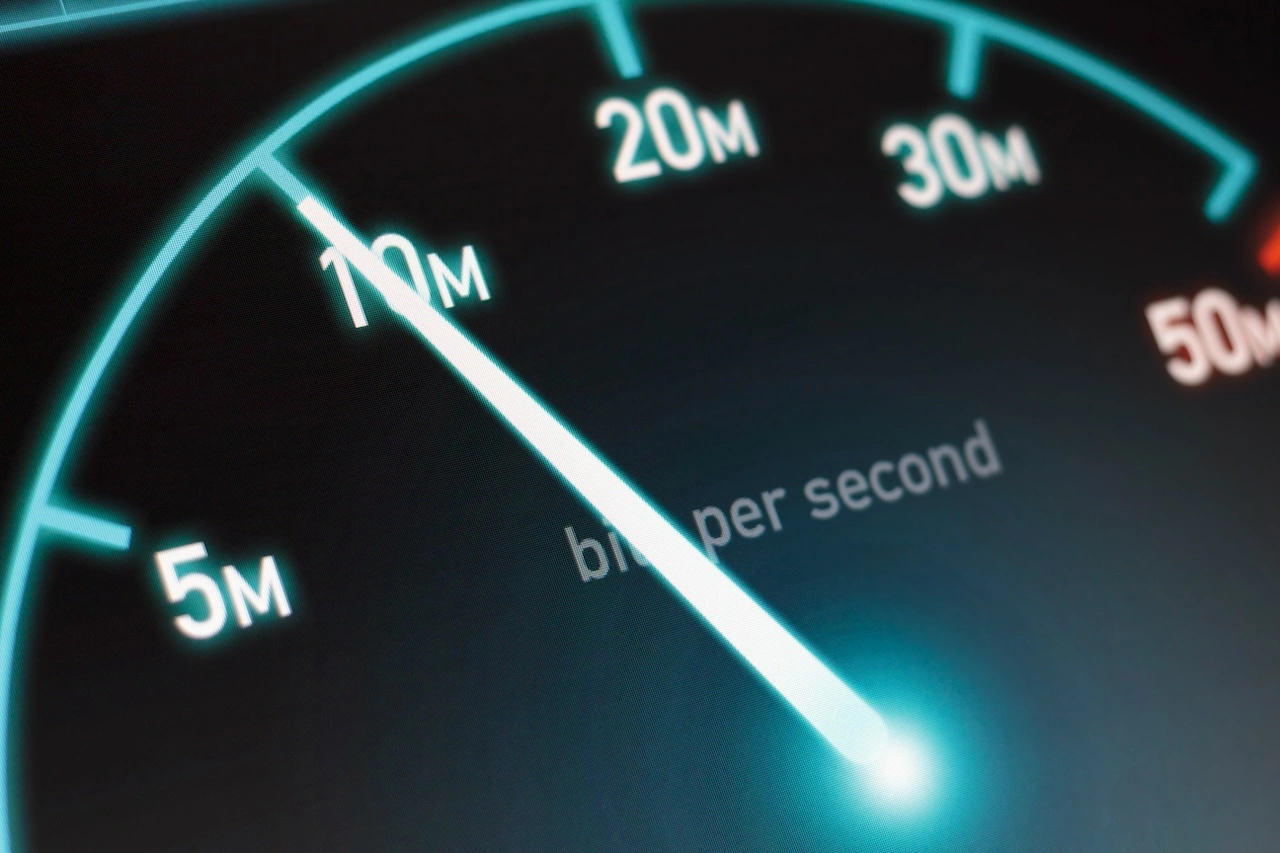
More than two seconds of loading time? That's enough to send your customers to the competition.
Within two seconds, it is decided whether a potential customer will stay with you or switch to a competitor.
If your page doesn't load promptly, you risk not only a lower placement in search results but also the loss of customers and thus revenue.
The loading speed of a website, also known as page speed, describes how quickly a web page loads and is fully displayed. This includes the time it takes for the first content to appear on the screen (First Contentful Paint) and the time until all elements of the page are completely visible.
Why does page speed play such a significant role? Search engines prefer fast websites, and customers expect a seamless user experience. An optimized load time is no longer a luxury but a necessity if you want to succeed in the competitive online market. In this article, you will learn why a fast website is essential and what measures you can take to improve your loading times.
The Impact of Page Speed on Search Engine Optimization
The loading time of a webpage not only affects user experience but also plays a crucial role in search engine optimization. Google and other search engines rate page speed as an important ranking factor as it correlates with an improved user experience. Pages that load quickly are favored in search results, leading to higher visibility and more organic traffic.
Search engines downgrade slow websites in rankings because they often lead to user frustration and abandonment. Google has clear guidelines that a fast and seamless experience is promoted. A few seconds of delay can already lead to poorer placement in search results and potential customers avoiding the page.
A vivid example is the measurement of "Time to First Byte" (TTFB), which measures the time span from the request to the first response signal from the server. A high TTFB can indicate server problems, slow database queries, or inefficient scripts. Pages with a long TTFB lose valuable seconds, causing them to plummet in search engine rankings.
Optimizations such as image compression, caching, and minimizing JavaScript can improve load time, which in turn leads to better placement and more visitors. By speeding up your page, you create a positive user experience that is reflected in better SEO results and a higher conversion rate.
The Critical Connection: Page Speed, User Experience, and Conversion Rate
The loading speed of your website significantly influences how users perceive your page. Slow loading times can severely test the patience of your visitors, often leading to a negative user experience. Studies show that visitors lose patience with a load time of more than three seconds and are likely to leave the page, significantly increasing bounce rates the longer the page takes to load, thus reducing your chances of converting a visitor into a customer.
The link between load time and conversion rate is particularly evident in e-commerce. Customers expect a smooth and fast experience. If product pages take too long to load or the checkout process is delayed, it often leads to a purchase abandonment. Even a few milliseconds can make a difference, as users are accustomed to seamless digital experiences.
Research shows that even a one-second delay can significantly lower the conversion rate. For online stores, this means fewer sales, while service providers face a decreasing number of inquiries. Optimizing page speed not only improves search engine rankings but also user experience and thus significantly boosts the conversion rate. A fast website creates a positive experience that encourages visitors to stay longer and complete a purchase.
The Financial Risks of Poor Page Speed
Slow websites not only impair user experience but can also significantly impact revenue. If a page takes more than just a few seconds to load, users quickly become frustrated and bounce, costing companies revenue and potential customers.
Aside from immediate revenue losses, a slowly loading website can also negatively affect brand perception. When visitors struggle with load times, they often attribute this frustration to the company. This can weaken brand loyalty and damage a company's reputation in the long run.
It is clear that a fast website ensures high customer retention. A smooth experience leaves a positive impression, encouraging customers to return. Slow pages, on the other hand, cause frustration, driving customers to the competition. Losing existing customers is often more costly than acquiring new ones, so companies should pay close attention to their load times.
Tools for Measuring Page Speed
There are various tools available to analyze and optimize load times.
Google PageSpeed Insights
Google PageSpeed Insights provides comprehensive reports on website performance and suggests specific improvements.
Google Lighthouse
With Lighthouse, another Google tool, you can create a detailed analysis to see which elements are affecting your load times.
GTmetrix
GTmetrix also provides clear recommendations for improvement based on an assessment of your current page speed performance.
Each of these metrics and tools helps you identify weaknesses in your website and target them for optimization. By reducing image sizes, compressing scripts, or improving the server, you can significantly increase the loading speed, thereby positively influencing the user experience and the search engine ranking of your website.
Technical Optimization Strategies Optimizing Images
Large images can significantly impair load speed. Optimizing images through compression and format choice (such as WebP instead of JPEG) can reduce file sizes without compromising quality. Tools like TinyPNG or ImageOptim are helpful for efficiently compressing images.
Utilizing Caching
Caching stores copies of files locally in the user's browser or on a server, which speeds up repeated page visits. Effective caching can be controlled with HTTP cache headers to ensure that users always receive the most up-to-date content without unnecessarily reloading data.
Minifying Files
CSS, JavaScript, and HTML files can be "minified" by removing unnecessary spaces, comments, and line breaks. Tools like UglifyJS for JavaScript or CSSNano for CSS are very useful in this process.
Optimizing the Critical Rendering Path
The critical rendering path refers to the elements that must be loaded before a page can be displayed. Optimizing this path by prioritizing loading operations (e.g., using inline CSS for the top page layout) can improve the perception of load speed.
Implementing Lazy Loading
Lazy loading delays the loading of images and videos until they are visible in the viewport. This reduces initial load time, as only visible content is loaded. This is particularly useful for pages with many media contents.
Asynchronous or Deferred Script Loading
By asynchronously loading scripts or moving JavaScript files to the end of the HTML document, you can prevent them from blocking the loading of other page elements.
Web Hosting and Server Configuration
Choosing a powerful web host and optimizing server configuration, such as using fast hard drives (SSDs), adequate RAM, and efficient database queries, can also help reduce loading times. peaknetworks offers web hosting at the highest performance level and on the most modern servers.
Using HTTP/2 and HTTP/3
Modern HTTP versions like HTTP/2 and HTTP/3 offer improved performance features, including header compression and multiplexing of requests, which allow more efficient data transfers.
Implementing these techniques can be a technical challenge, but the benefits of a faster website are significant. It is advisable to regularly conduct tests and optimizations to continuously improve the loading speed of your website and to keep up with technological advances.
Conclusion
An optimized page speed enhances the user experience, increases visibility in search engines, and boosts the conversion rate. We recommend technical optimizations such as image compression and caching and introduce tools that can analyze and improve load times. Efficient load times are therefore indispensable for remaining successful in the digital competition.